
Making your home eco-friendly isn’t just about switching to energy-efficient light bulbs or reducing water waste—it’s also about optimizing your HVAC system. Heating and cooling account for a significant portion of household energy consumption, meaning small changes in your HVAC habits can lead to lower utility bills and a reduced carbon footprint.
In this blog, we’ll cover eight powerful HVAC tips that will make your home more energy-efficient and environmentally friendly. Whether you’re looking to cut costs, enhance indoor comfort, or contribute to a greener planet, these strategies will help you achieve your goals.
1. Upgrade to an Energy-Efficient HVAC System
Why It Matters
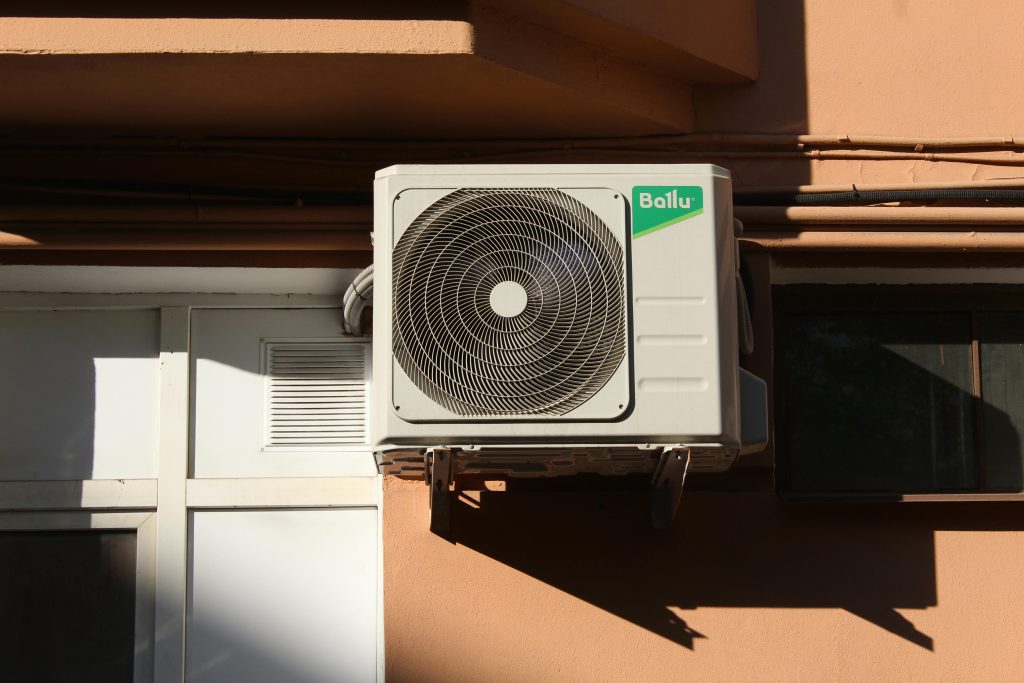
Older HVAC systems are often inefficient and consume more energy than necessary. Upgrading to an Energy Star-certified unit can help you reduce energy consumption while maintaining optimal comfort.
How to Implement It
- Look for HVAC systems with a high Seasonal Energy Efficiency Ratio (SEER) rating.
- Consider a variable-speed air conditioner, which adjusts cooling levels based on demand.
- Choose a system with a smart thermostat for better energy management.
If you’re unsure which services can enhance your HVAC system’s performance, check out Top 5 Air Conditioning Services You Need for a Comfortable Home.
2. Install a Smart Thermostat
Why It Matters
Smart thermostats learn your habits and adjust temperature settings automatically, reducing energy waste. They also allow remote control via smartphone apps.
How to Implement It
- Choose a programmable or smart thermostat that adjusts based on your daily schedule.
- Set higher temperatures when you’re away in summer and lower in winter.
- Use energy-saving modes to optimize efficiency.
3. Regularly Maintain Your HVAC System
Why It Matters
Routine maintenance keeps your HVAC system running efficiently, preventing breakdowns and reducing energy consumption.
How to Implement It
- Schedule professional HVAC tune-ups twice a year.
- Replace air filters every 1-3 months to maintain airflow.
- Clean vents and ductwork to remove dust and debris.
Routine maintenance can also help you save money in the long run. Learn more in our blog How Regular Air Conditioning Services Can Save You Money in the Long Run.
4. Improve Your Home’s Insulation
Why It Matters
Good insulation helps retain cool air in the summer and warm air in the winter, reducing the load on your HVAC system.
How to Implement It
- Seal gaps and cracks around doors and windows.
- Add weatherstripping to prevent air leaks.
- Upgrade attic and wall insulation to improve energy efficiency.
5. Use Ceiling Fans to Enhance Air Circulation
Why It Matters
Ceiling fans help distribute air more efficiently, allowing you to reduce reliance on your HVAC system.
How to Implement It
- Set ceiling fans to rotate counterclockwise in summer to create a cooling breeze.
- In winter, reverse the fan direction to push warm air down.
- Turn off fans when not in use to save energy.
6. Optimize Your Thermostat Settings
Why It Matters
Setting your thermostat to energy-efficient temperatures can significantly reduce energy consumption.
How to Implement It
- Set your thermostat to 78°F in summer and 68°F in winter for optimal efficiency.
- Avoid drastic temperature changes, as they force your system to work harder.
- Utilize zoning systems to heat or cool only occupied areas.
7. Consider Alternative Cooling Methods
Why It Matters
Reducing reliance on traditional air conditioning can lower energy usage and decrease environmental impact.
How to Implement It
- Use natural ventilation by opening windows in the morning and evening.
- Install blackout curtains or reflective window films to block heat.
- Use dehumidifiers to reduce moisture and enhance comfort.
8. Switch to Renewable Energy for HVAC Power
Why It Matters
Renewable energy sources like solar power can drastically reduce your carbon footprint and lower energy costs.
How to Implement It
- Install solar panels to power your HVAC system.
- Consider geothermal heating and cooling systems for energy-efficient temperature control.
- Look into energy rebates and incentives for renewable energy installations.
Implementing these HVAC tips can make your home more energy-efficient, eco-friendly, and cost-effective. From upgrading your system to optimizing thermostat settings, small changes can lead to big savings and environmental benefits.
For more expert HVAC insights, explore:
- How Regular Air Conditioning Services Can Save You Money in the Long Run
- Top 5 Air Conditioning Services You Need for a Comfortable Home
Start making your home greener today with these easy-to-follow HVAC strategies!