HVAC Services in Aliso Viejo, CA
AC Repair, AC Replacement and Heat Pump Installation in Aliso Viejo, CA
MaksBuilder provides AC diagnostics and repair, replacement planning, heat pump installation, airflow testing, zoning evaluation, thermostat installation, HVAC-related indoor air quality review, and maintenance for Aliso Viejo homes.
The service scope is based on the reported symptom, equipment condition, duct and return-air limitations, thermostat control, installation access, exterior clearances, and any HOA requirements that apply to the property.
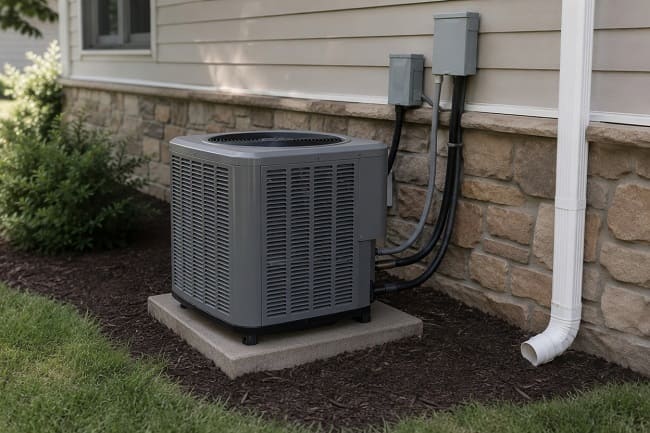
What we can check during a visit
- Cooling performance, thermostat demand, electrical and control operation, drainage, airflow, and refrigerant-circuit symptoms when relevant.
- Supply and return restrictions, accessible duct defects, room-to-room temperature differences, and zoning feasibility.
- Equipment fit, service clearances, side-yard access, sound limits, and HOA-sensitive exterior placement.
- Heat pump compatibility, thermostat wiring and staging, filter fit, and airflow limits that affect HVAC-related indoor air quality improvements.
Choose the Aliso Viejo HVAC Service You Need
Start with the active problem or project goal. A cooling failure, uneven rooms, an aging system, a planned heat pump, or a control upgrade requires a different inspection and service path.
AC Repair in Aliso Viejo, CA
For warm air, no cooling, short cycling, water, ice, unusual noise, startup failure, or thermostat problems.
HVAC Replacement in Aliso Viejo, CA
For repeated failures, major repair decisions, poor comfort, high noise, or equipment that no longer matches the home.
Heat Pump Installation in Aliso Viejo, CA
For ducted or ductless heating and cooling projects that require load, electrical, control, drainage, and placement planning, with duct condition checked when existing ductwork will be used.
Airflow and zoning
For uneven floors, weak rooms, return-air limits, duct restrictions, balancing needs, or zoning feasibility.
Two-Story Comfort, Compact Equipment and HOA Constraints
Multi-level homes, condos, townhomes, and planned communities can have airflow, access, sound, and exterior-placement limits that affect both repair decisions and replacement design.
Why Upstairs Rooms Stay Warm
When upstairs rooms stay warmer than the rest of the home, the cause should be identified before zoning or replacement is proposed. The inspection may include equipment output, supply and return airflow, accessible duct condition, thermostat and sensor location, insulation conditions, and pressure changes caused by closed bedroom doors. For more detail, see why one room can be hotter than the rest of the house.
- Compare room temperatures and airflow while the system is operating.
- Check accessible ducts for restriction, leakage, disconnection, or poor distribution.
- Review return-air paths and closed-door pressure effects.
- Evaluate air balancing, thermostat sensors, or zoning only after the airflow limits are understood.
Compact Equipment, HOA Rules, Noise and Placement
Limited closets, attic access, narrow side yards, shared walls, and association rules can restrict equipment size and location. Before installation, the plan needs to account for manufacturer clearances, service access, drainage, electrical work, published sound data, exterior visibility, and any documents required for the property.
- Select equipment from load, airflow, and installation requirements—not cabinet size alone.
- Preserve access for filters, coils, controls, drains, and future service.
- Account for outdoor airflow and published sound levels near windows, patios, and shared walls.
- Verify current HOA, property-manager, city, and permit requirements before approval-sensitive work.
Smart Thermostats and HVAC-Related Indoor Air Quality
Smart Thermostat Installation
A thermostat replacement must match the equipment type, wiring, number of stages, heat-pump configuration, accessories, and any remote sensors or zones. Compatibility is checked before the existing control is removed.
After installation, the technician tests heating and cooling calls, fan control, staging, schedules, and app access with the homeowner.
HVAC-Related Indoor Air Quality Review
Dust, odors, stale rooms, fast filter loading, and moisture near the indoor unit can have different causes. The inspection separates possible filter bypass, excessive pressure drop, return leakage, accessible duct defects, drainage problems, ventilation limits, and sources outside the HVAC system.
No filtration or ventilation product is a universal solution. Any change must remain compatible with the blower, return-air capacity, filter cabinet, and maintenance requirements. Read the Indoor Air Quality Guide for a broader explanation.
How Our HVAC Service Visit Works
The visit begins with the reported symptom and ends with an explained repair, correction, maintenance, or replacement recommendation.
Describe the exact symptom
Identify the affected rooms, operating mode, start time, thermostat behavior, water, ice, odor, noise, breaker trips, and recent work.
Test the relevant system functions
Check the thermostat call, equipment response, airflow, accessible ducts, electrical operation, drainage, controls, and installation conditions relevant to the complaint.
Explain the finding and next step
Explain what was confirmed, what remains uncertain, whether the system can continue operating, and why repair, maintenance, airflow correction, zoning, or replacement is recommended. Review HVAC maintenance plans.
FAQ: HVAC Services in Aliso Viejo
For neighboring properties, see HVAC services in Laguna Niguel, including AC repair, furnace service and heat pump installation. For ocean-facing properties, see our Laguna Beach HVAC services page.
Do I need AC repair or full replacement?
The decision depends on the confirmed failure, system condition, repair history, refrigerant and parts availability, comfort, installation quality, and total cost. Age alone is not enough to require replacement.
Can a heat pump replace both my AC and furnace?
In some homes, yes. The plan must confirm heating and cooling load, duct and return-air capacity, electrical service, thermostat staging, auxiliary heat, outdoor placement, and whether the gas equipment will remain or be removed.
Will a smart thermostat work with my existing HVAC system?
Compatibility depends on the equipment type, wiring, number of stages, heat-pump configuration, communicating controls, accessories, and available power. The existing equipment and controls need to be identified before a thermostat is selected.
What can HVAC service address when indoor air feels dusty or stale?
HVAC inspection can check filter fit, bypass, airflow, return leakage, accessible ducts, coil and drain conditions, and ventilation limits. It cannot identify every pollutant and does not replace environmental testing, combustion-safety evaluation, or medical advice.
What information should I provide before the visit?
Provide the property location, equipment type, system age if known, affected rooms, exact symptom, when it started, thermostat behavior, recent repairs, and any water, ice, odor, noise, error code, or breaker trip. Photos can help with access and equipment identification.
What MaksBuilder Customers Say
“Came out really quickly. I really appreciated their honesty! Would hire them again & recommend to friends!”
“Prompt response and prompt appointment. Process of communication was easy and clear.”
Schedule HVAC Service in Aliso Viejo
Describe the active problem or planned project, the affected rooms, equipment type, and any access or HOA constraints that may affect the work.