HVAC Services in Orange County, CA
Start With the HVAC Problem You Need Solved
MaksBuilder provides HVAC repair, diagnostics, installation, replacement, and maintenance for homes and light-commercial properties in South Orange County. Start with the symptom: no cooling, no heat, weak airflow, uneven rooms, unusual noise, thermostat trouble, water, ice, repeated breaker trips, or a system that may be ready for replacement.
The initial HVAC diagnostic fee is $0, and repair or replacement estimates are provided at no charge. If specialized extended testing is needed, its scope and price are confirmed before work begins.
Published hours: Mon–Fri 24 hours · Sat–Sun 8:00 AM–6:00 PM
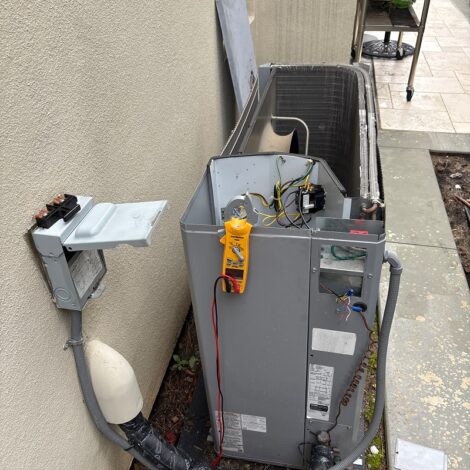
Decide Whether the Request Is Urgent, Diagnostic, or Planned
The same comfort complaint can have several causes. Urgency and system behavior help identify the right starting point, while testing determines the actual repair or installation scope.
Repair or Replace? The Failure Comes First
Equipment age matters, but it does not decide the answer by itself. The comparison should start with the confirmed failure, repair history, parts availability, system condition, comfort, operating cost, and what the installation would require.
- The failed component or condition can be identified and corrected.
- Parts are reasonably available and the system has not had repeated major failures.
- Airflow, controls, drainage, electrical condition, and overall operation are otherwise acceptable.
- The repair cost is reasonable relative to the equipment condition and expected continued use.
- Major repairs repeat or reliability has become poor.
- Parts or refrigerant-related repairs are difficult to justify for the system condition.
- Comfort remains poor because of capacity, airflow, duct, control, or equipment limitations.
- A major repair is expensive enough that a properly planned replacement deserves comparison.
A replacement estimate should address more than the outdoor unit: load and sizing, ducts and return air, matched equipment, electrical scope, drainage, controls, permits, access, and startup commissioning all affect the result.
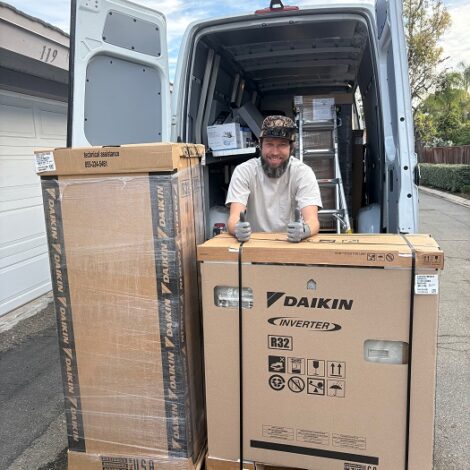
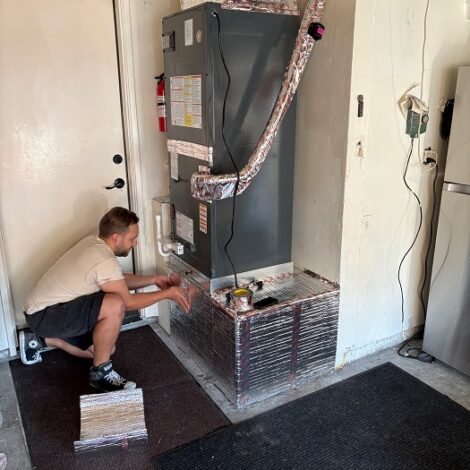
Core HVAC Services in Orange County
Choose the service that matches the problem: AC repair, HVAC replacement, furnace and heat-pump service, ductwork and airflow, or preventive maintenance. Additional comfort and equipment services are listed below.
Emergency AC Repair
Use this path for complete cooling loss during hot weather, repeated breaker trips, electrical odor, visible ice, leaking water, or sudden harsh noise.
View emergency AC repair →AC Repair & Cooling Diagnostics
Warm air, weak airflow, short cycling, frozen coils, drainage problems, thermostat faults, or an outdoor unit that will not start need focused testing.
View AC repair diagnostics →AC Installation & Replacement
Replacement planning should review load, return air, ducts, matched equipment, electrical scope, drainage, line-set condition, permits, and commissioning.
View AC installation →Heat-Pump Installation
Ducted heat pumps, dual-fuel systems, and gas-to-electric projects require load, duct, electrical, controls, outdoor placement, drainage, and backup-heat or staging review where applicable.
View heat-pump installation →Furnace Repair
No heat, ignition trouble, cool air, short cycling, blower problems, startup noise, or safety concerns need a heating-specific diagnostic.
View furnace repair →Heat-Pump & Mini-Split Repair
Heat-pump systems may involve defrost, backup-heat, sensor, control, or shutdown faults. Mini-splits may involve inverter, communication, sensor, drainage, or refrigerant-circuit issues. Testing depends on the system type and symptom.
View heat-pump repair →Ductwork & Airflow
Weak vents, hot and cold rooms, return-air restrictions, damaged ducts, leakage, insulation damage, and balancing issues need airflow-focused diagnosis.
View ductwork and airflow →HVAC Maintenance Plans
Planned preventive service can cover filters, airflow, coils, drainage, electrical condition, controls, temperature response, safety checks, and observed wear.
View maintenance plans →More HVAC & Home Comfort Services
Also available: tune-ups, zoning, thermostats, indoor air quality, Daikin systems, mini-splits, furnace and heat-pump maintenance, water heaters, attic insulation, and financing.
AC Tune-Up
One-time cooling-system operating check.View service →HVAC Zoning
Zone controls, dampers, airflow, and static-pressure review.View service →Thermostat Installation
Compatibility, wiring, staging, zoning, and control setup.View service →Indoor Air Quality
Filtration, dust, odors, humidity, and ventilation concerns.View service →Daikin HVAC Options
Daikin FIT, heat-pump, and ductless system planning.View options →Mini-Split Installation
Room, zone, ADU, garage, office, or addition applications.View service →Furnace Maintenance
Ignition, safety controls, blower, airflow, and venting checks.View service →Furnace Installation
Sizing, venting, gas, return air, controls, and startup checks.View service →Heat-Pump Maintenance
Heating, cooling, defrost, airflow, drainage, and controls.View service →Water-Heater Installation
Tank, tankless, hybrid, and heat-pump water heaters.View service →Attic Insulation & Air Sealing
Insulation, attic conditions, air leakage, and duct-related comfort.View service →HVAC Financing
Review financing after the technical scope and price are clear.View financing →Commercial HVAC Services
Commercial HVAC is grouped separately because business access, operating schedules, controls, maintenance records, rooftop equipment, permits, and replacement coordination require a different service process from residential work.
Commercial HVAC
Commercial HVAC service includes diagnostics, planned repairs, maintenance, rooftop equipment, replacement planning, tenant coordination, and light-commercial comfort or operating issues.
View commercial HVAC services →Commercial HVAC Replacement
Commercial HVAC replacement planning for aging, unreliable, or inefficient equipment, including rooftop units and light-commercial systems. The scope can include equipment selection, access, controls, electrical requirements, curb or duct transitions, permits, scheduling, and startup commissioning.
View commercial HVAC replacement →Gas-furnace work is reviewed against current South Coast AQMD requirements, and contractor information can be verified before approval.
What Happens After You Request HVAC Service
A useful service request gives the technician a clear starting point. The visit begins with the reported symptom and the relevant HVAC sequence; if specialized extended testing is needed, its scope and price are discussed before that additional work begins.
Orange County Service Coverage
MaksBuilder serves the South Orange County cities listed below. Choose the city nearest the property when access, permits, HOA requirements, property type, or neighborhood conditions may affect the work.
Exact availability depends on the service type, address, schedule, equipment access, urgency, and required parts. Send the city and the system symptom when requesting service.
Orange County HVAC Services FAQ
These answers clarify the difference between urgent service, focused diagnostics, repair-versus-replacement planning, installation review, furnace requirements, and contractor verification.
What should I do if my AC stops cooling completely?
Request emergency AC repair when cooling is completely lost during hot weather, or when the system has repeated breaker trips, electrical odor, visible ice, leaking water, or sudden harsh noise. Smoke, flames, gas odor, or a carbon-monoxide alarm require emergency services or the gas utility.
What should a standard AC diagnostic check?
The inspection should follow the symptom and may include the thermostat call, power, controls, electrical readings, airflow, filter and coil condition, condensate drainage, outdoor-unit operation, temperature response, duct restrictions, and refrigerant-circuit findings when relevant.
When is replacement worth comparing with repair?
Compare replacement when major repairs repeat, parts are limited, equipment is unreliable, comfort remains poor, operating cost is high, or a major failure is expensive relative to the system condition. The estimate should also review ducts, return air, electrical scope, drainage, controls, and installation access.
What should be reviewed before AC or heat-pump installation?
A useful proposal should address load and sizing, duct and return-air capacity, matched indoor and outdoor equipment, line-set condition, electrical requirements, condensate routing, thermostat controls, outdoor placement, permits, HOA limits when applicable, and startup commissioning.
Do gas-furnace projects require local emissions and safety planning?
Yes. Furnace selection should be checked for current South Coast AQMD Rule 1111 requirements. The installation plan should also cover gas connection, venting, combustion air, return air, duct capacity, thermostat setup, temperature rise, and startup safety checks.
How much is the initial HVAC diagnostic visit?
The initial HVAC diagnostic fee is $0, and repair or replacement estimates are provided at no charge. Specialized extended testing can require a separate scope and price, which should be confirmed before that work begins.
Does MaksBuilder service every Orange County address?
No. MaksBuilder serves the South Orange County cities listed above. Exact availability depends on the property address, service type, job scope, schedule, equipment access, urgency, and required parts.
What MaksBuilder Customers Say
“Came out really quickly. I really appreciated their honesty! Would hire them again & recommend to friends!”
“Prompt response and prompt appointment. Process of communication was easy and clear.”
Request HVAC Service in Orange County
Send the city, system type, operating mode, and exact symptom. For repair, replacement, installation, maintenance, or commercial work, describe the scope you need and any access, tenant, or scheduling limits.