
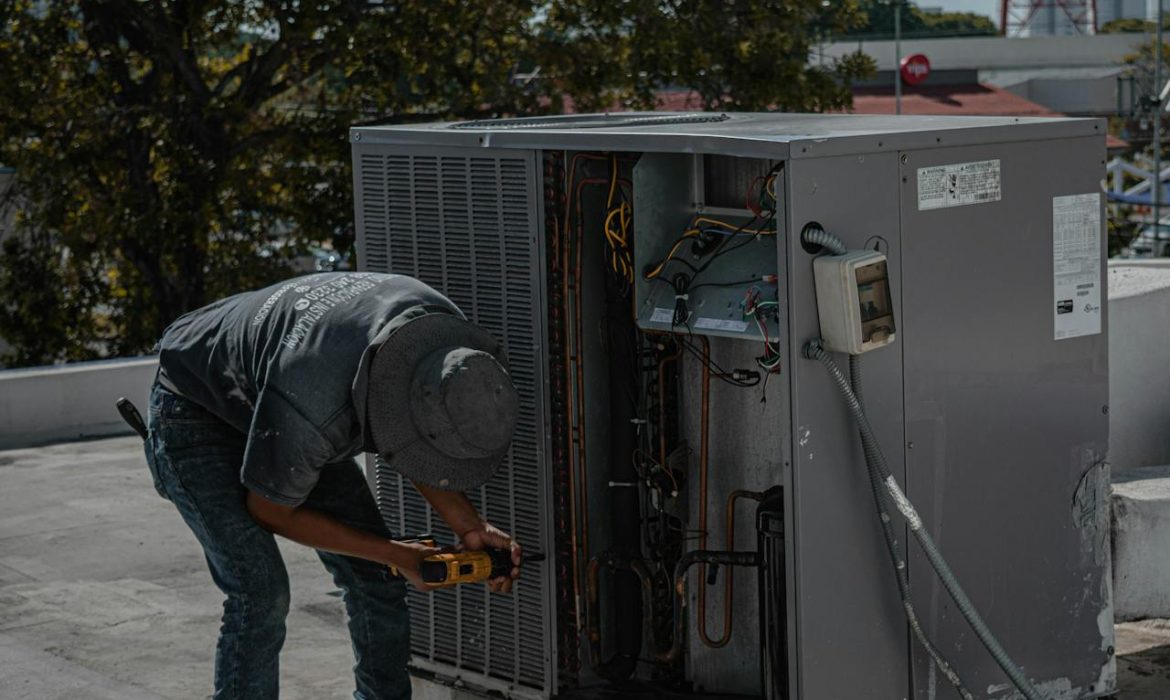
When your air conditioner starts making unusual noises, it’s a clear sign that something might be wrong. Ignoring these sounds could lead to costly repairs or even a full system breakdown. Understanding what these noises mean can help you address potential issues before they become major problems. In this guide, we’ll break down the different sounds your AC might make, what they indicate, and when you should call for Residential AC Repair or Air Conditioner Repair services.
Why Identifying AC Noises is Crucial
Your AC system should run smoothly and quietly. Any strange noise is an early warning sign of an issue that requires attention. Some common reasons why your AC might be making noise include:
- Loose or broken parts
- Electrical malfunctions
- Refrigerant leaks
- Airflow obstructions
- Worn-out components
If you notice any of these signs, taking immediate action can prevent costly damage and keep your home cool and comfortable.
Common AC Noises and Their Causes
1. Banging or Clanking
A loud banging or clanking noise from your AC is usually a sign of a loose or broken component inside the compressor. This could mean:
- The fan blades are hitting something.
- A loose or damaged motor mount.
- A failing compressor that needs replacement.
Ignoring this noise can lead to severe internal damage, requiring professional Residential AC Repair or Air Conditioner Repair services.
2. Buzzing
A buzzing sound can indicate several potential problems, such as:
- Loose electrical connections
- A failing compressor
- Dirty condenser coils
- A refrigerant leak
If your AC is buzzing, it’s best to have a technician inspect it immediately to prevent further damage.
3. Hissing
A hissing noise typically signals a refrigerant leak. Low refrigerant levels can affect your AC’s cooling efficiency and increase energy bills. Over time, leaks can also cause ice buildup and complete system failure.
Regular maintenance can help prevent refrigerant leaks. Check out this guide on regular AC maintenance to learn how to keep your system in top shape.
4. Squealing or Screeching
A high-pitched squealing or screeching noise usually indicates:
- A worn-out or misaligned fan belt
- Issues with the blower motor
- A failing compressor motor
These components require professional attention to avoid further deterioration.
5. Rattling
A rattling noise could mean:
- Loose screws or bolts in the AC unit
- A clogged air filter
- Debris stuck in the outdoor condenser unit
Routine maintenance can prevent these minor issues from escalating. Read more about how regular AC services can save you money in the long run.
6. Clicking
Clicking sounds may be normal when your AC turns on and off, but constant clicking could indicate:
- A failing thermostat
- Electrical issues
- A defective relay switch
If your AC keeps clicking and won’t start, it’s time to call a professional.
7. Humming
A low humming sound might not always be a problem, but if it gets louder over time, it could point to:
- Electrical issues
- A malfunctioning capacitor
- Motor problems
Getting a technician to check it can prevent further complications.
8. Whistling or High-Pitched Noises
A whistling or high-pitched noise often means there’s restricted airflow. Common causes include:
- Clogged air filters
- Leaky air ducts
- A faulty blower
Regular filter changes and duct inspections can help prevent these issues.
When to Call for Professional Residential AC Repair
If you hear any of these noises and are unsure of the cause, it’s best to contact a professional. Delaying repairs can lead to higher energy bills, reduced cooling efficiency, and costly damage to your unit.
Signs You Need Emergency AC Repair
- Your AC isn’t cooling properly despite running continuously.
- You hear loud, unusual noises that don’t stop.
- There are burning smells or electrical sparks.
- Your AC cycles on and off frequently without cooling.
How to Prevent AC Noises Before They Start
Regular maintenance is key to preventing strange AC noises and costly repairs. Here are a few steps you can take:
1. Schedule Regular Maintenance
Professional tune-ups can help catch issues early and keep your AC running efficiently. Learn more about the benefits of regular AC maintenance.
2. Keep the Outdoor Unit Clean
Leaves, dirt, and debris can clog the condenser unit, leading to restricted airflow and overheating.
3. Change Your Air Filters
A clogged air filter can lead to various problems, including rattling and whistling noises.
4. Check for Loose Parts
Tighten any loose screws or bolts to prevent rattling and banging sounds.
5. Listen for Early Warning Signs
Catching strange noises early can save you from expensive Residential AC Repair or Air Conditioner Repair bills down the road.