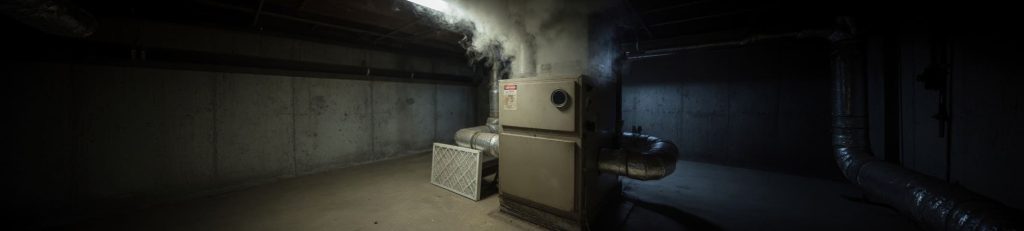
Unusual Furnace Odors: Causes, Risks, and Safe Responses
Odors produced by a heating system can range from temporary dust-related smells to warning signs of an electrical fault, fuel leak, combustion problem, or restricted airflow. The odor alone rarely identifies the exact defect. Its timing, intensity, duration, location, and association with smoke, soot, unusual sounds, weak airflow, repeated shutdowns, or an alarm provide more useful diagnostic clues.
This article focuses primarily on residential gas furnaces. Electric furnaces, heat pumps, boilers, oil-fired systems, and portable heaters have different components and may require different diagnostic procedures.
A light, dry, dusty odor may occur during the first heating cycle after a long period of inactivity. An odor resembling melting plastic, hot wiring, fuel, smoke, soot, or exhaust should not be treated as normal seasonal operation. The system should remain off until an unsafe condition has been excluded.
Immediate Response to Gas, Fire, or Carbon Monoxide Warnings
Leave the building immediately if there is a strong fuel-gas odor, the sound of escaping gas, visible smoke or flame, an explosion, or an activated carbon monoxide alarm. Do not inspect the equipment, operate the thermostat, switch lights or appliances on or off, use a garage-door opener, or create another possible ignition source. From a safe location, contact the local gas utility or emergency services. Follow the instructions of emergency personnel before returning.
How Different Furnace Odors Should Be Interpreted
Dry or Dusty Odor
A temporary dusty smell can occur when accumulated particles warm during the first seasonal startup. It should gradually weaken and should not occur with smoke, sparking, fuel odor, abnormal flame behavior, or unusual equipment noise.
Burning Plastic or Wiring
This may indicate overheated insulation, a loose terminal, a failing control component, a damaged motor, excessive electrical current, or a foreign object exposed to heat.
Rotten Eggs or Sulfur
Fuel gases are commonly odorized so that a leak can be detected. A noticeable sulfur-like or rotten-egg odor should be treated as a possible gas leak rather than investigated inside the building.
Smoke, Soot, or Exhaust
These odors can be associated with incomplete combustion, abnormal ignition, burner contamination, venting failure, backdrafting, overheating, or another problem affecting the combustion system.
Carbon Monoxide
Carbon monoxide is colorless and odorless. It cannot be identified by smell. Detection depends on properly installed and maintained carbon monoxide alarms and appropriate testing.
Musty or Damp Odor
A musty smell may originate from a damp filter, condensate system, humidifier, duct lining, nearby building materials, or microbial growth. It does not automatically mean that the furnace itself is the source.
When a Burning Smell May Be Seasonal Dust
Dust can settle on the heat exchanger, burner area, supply plenum, electric heating elements, duct surfaces, and other components while the heating system is unused. When these surfaces become warm, the accumulated material may produce a temporary dry or slightly burnt odor.
A seasonal dust odor is more likely when:
- It appears during the first heating cycle after a long shutdown.
- The odor is dry and dusty rather than chemical, oily, smoky, or electrical.
- There is no visible smoke, flame, sparking, soot, or fuel-gas odor.
- The odor weakens instead of becoming stronger.
- The blower maintains normal airflow.
- The furnace completes its normal operating cycle.
- The odor does not return during later cycles.
A furnace should not be left running simply to determine whether an uncertain odor will disappear. Stop the system if the smell becomes stronger, remains during later cycles, changes character, or occurs with buzzing, weak airflow, repeated shutdowns, smoke, visible residue, or abnormal sounds.
Electrical Odors and Overheated Components
A smell resembling melting plastic, hot wiring, overheated electronics, varnish, or hot metal is not a normal seasonal-startup condition. Electrical faults can develop even when the furnace continues to produce heat and the blower remains operational.
Possible Electrical Sources
- Loose, oxidized, or overheated electrical terminals.
- Damaged wire insulation.
- A failing relay, transformer, circuit board, or contactor.
- A deteriorated motor winding.
- A failed motor capacitor where the motor design uses one.
- A blower motor operating under excessive mechanical load.
- A foreign object touching a hot surface.
- An overloaded circuit or damaged supply wiring.
Related Warning Signs
- Buzzing, humming, scraping, rattling, or repeated clicking.
- Weak or inconsistent airflow from supply registers.
- A blower that starts slowly or stops unexpectedly.
- Discolored wiring, terminals, or plastic components.
- A furnace that shuts down before reaching the thermostat setting.
- A circuit breaker that trips during startup or operation.
- An odor concentrated near the cabinet, control area, or one register.
If there is no gas odor, active smoke, fire, or other immediate danger and the thermostat can be reached safely, switch the heating system off. Do not remove access panels, touch wiring, reset internal safety devices, or restart the furnace to reproduce the smell.
A circuit breaker should not be reset repeatedly. A repeated trip can indicate excessive current, shorted wiring, motor failure, a damaged component, or a problem with the branch circuit. Resetting the breaker without identifying the cause can allow further overheating.
Fuel-Gas Odor and Abnormal Ignition
Natural gas and liquefied petroleum gas are normally odorized because the gases themselves may otherwise be difficult to detect. The odor is often described as sulfur-like or similar to rotten eggs. Odor perception varies, and some people may be unable to detect the odorant reliably.
- Move everyone out of the building.
- Do not operate thermostats, lights, appliances, switches, or garage-door controls.
- Do not smoke, use a flame, or create another ignition source.
- Do not use a phone until you are outside and away from the building.
- Contact the local gas utility or emergency services from a safe location.
- Do not re-enter until the responsible authority confirms that it is safe.
A bang, puff, rumble, or delayed flame sound during burner ignition may indicate delayed ignition, contaminated burners, incorrect fuel delivery, an ignition-control problem, or abnormal burner operation. Because these conditions cannot be safely distinguished through casual observation, the furnace should remain off until it has been examined.
A building occupant should not search for a leak, open the burner compartment, clean burners, adjust a gas valve, disconnect fuel piping, or restart the furnace to see whether the sound or odor returns.
Soot, Smoke, Exhaust, and Combustion Problems
A smoky, oily, exhaust-like, or sooty odor can indicate that fuel is not burning correctly or that combustion products are not leaving the building through the venting system as intended. The source may be inside the furnace, within the vent system, or elsewhere in the building.
Possible causes requiring evaluation include:
- Dirty, contaminated, damaged, or misaligned burners.
- Abnormal ignition or unstable flame behavior.
- Incorrect gas pressure or fuel-air mixture.
- A blocked, damaged, loose, corroded, or disconnected vent.
- An obstructed outdoor vent termination.
- Insufficient combustion air.
- Backdrafting or pressure imbalance within the building.
- Overheating or evidence of flame rollout.
- A damaged heat exchanger or another internal combustion-system defect.
- Contamination from nearby chemicals, dust, vapors, or construction work.
Visible black residue around the burner area, furnace cabinet, draft hood, vent connection, nearby wall, or ceiling is not a normal operating condition. The system should remain off until the source has been identified.
Soot does not by itself prove that a heat exchanger is cracked. It indicates a need to examine burner operation, combustion conditions, fuel pressure, venting, safety controls, airflow, and the heat exchanger using methods appropriate to the equipment.
Dark marks near supply registers are not specific evidence of furnace failure. Candle smoke, fireplace use, cooking particles, tobacco smoke, airborne dust, insulation particles, duct contamination, and filtration deposits can produce similar staining.
How Restricted Airflow Can Cause Overheating
A dirty filter does not normally create a gas odor or electrical burning odor by itself. It can restrict airflow through the furnace, increase blower workload, raise internal temperatures, and contribute to repeated high-limit shutdowns.
Airflow can also be reduced by a blocked return grille, heavily contaminated blower wheel, undersized ductwork, collapsed flexible duct, closed balancing damper, dirty evaporator coil, incorrect blower setting, or a motor that cannot reach its intended speed.
Limited Checks for Building Occupants
- Turn the system off before checking the filter.
- Replace a visibly dirty disposable filter with the correct type and size.
- Confirm that the airflow arrow points in the intended direction.
- Check that return grilles are not blocked by furniture or stored items.
- Confirm that supply registers intended to remain open are unobstructed.
- Keep combustible materials away from the furnace cabinet.
- Do not alter zoning dampers or balancing dampers without system information.
Checks Requiring Technical Diagnosis
- Testing energized electrical components.
- Measuring voltage and motor current.
- Inspecting the blower motor, wheel, bearings, and controls.
- Measuring external static pressure.
- Assessing airflow through the furnace and duct system.
- Checking temperature rise against the equipment rating data.
- Opening the burner compartment.
- Inspecting internal venting and combustion components.
Replacing a dirty filter is not a complete repair when an electrical odor, weak airflow, repeated shutdown, abnormal noise, visible overheating, or persistent burning smell continues. For an active heating-system fault, see our furnace repair service.
Why Carbon Monoxide Cannot Be Detected by Smell
Carbon monoxide is a colorless and odorless gas produced by incomplete combustion. A fuel-burning furnace can release carbon monoxide without creating a noticeable fuel, smoke, or exhaust odor. The absence of a smell therefore does not confirm safe combustion.
Possible symptoms of carbon monoxide exposure include headache, dizziness, weakness, nausea, vomiting, confusion, chest discomfort, impaired coordination, or unusual sleepiness. Symptoms can vary with concentration, exposure time, age, health, and activity level.
Similar symptoms affecting several occupants at the same time are an important warning sign. People who are sleeping, very young, older, pregnant, or affected by cardiovascular or respiratory conditions may be especially vulnerable.
If a carbon monoxide alarm activates, everyone should leave the building and contact emergency services. Do not remain inside to inspect the furnace or silence the alarm. Ventilation or resetting the alarm does not establish that the source has been corrected.
A carbon monoxide alarm does not identify which appliance produced the gas. Furnaces, boilers, water heaters, fireplaces, cooking appliances, portable heaters, generators, attached garages, and other combustion sources may need to be considered.
How a Furnace Odor Is Diagnosed
There is no single test that explains every furnace odor. The diagnostic process depends on the fuel type, furnace design, venting arrangement, motor type, control system, operating history, and symptoms observed.
A technical assessment may include:
- Recording the reported odor, timing, duration, and operating conditions.
- Reviewing fault codes before electrical power is interrupted.
- Observing the furnace sequence of operation.
- Inspecting filters, return-air paths, supply registers, and visible ductwork.
- Examining electrical terminals for looseness, heat damage, or discoloration.
- Measuring supply voltage and electrical current where appropriate.
- Testing a motor capacitor when the motor design includes one.
- Inspecting blower components for contamination, obstruction, and mechanical wear.
- Measuring temperature rise and comparing it with the permitted equipment range.
- Measuring external static pressure and assessing airflow.
- Inspecting the ignition system, burners, flame characteristics, and flame sensor.
- Checking fuel pressure according to the equipment manufacturer’s specifications.
- Examining vent connectors, draft components, terminations, and combustion-air paths.
- Testing safety controls such as limit, pressure, and rollout switches.
- Evaluating combustion gases when testing is appropriate for the system.
- Inspecting the heat exchanger using methods suitable for the furnace design.
Individual measurements should be interpreted against the furnace rating plate, installation instructions, service information, fuel type, altitude, duct conditions, and applicable safety requirements. A value that is acceptable for one furnace may be inappropriate for another.
When the Furnace Should Remain Off
The furnace should not be restarted when:
- A fuel-gas odor is present.
- Smoke, flame, sparking, or visible overheating has occurred.
- A carbon monoxide alarm has activated.
- An electrical or melting-plastic odor continues.
- A burning odor returns during later heating cycles.
- The blower is noisy, slow, intermittent, or unusually hot.
- Airflow is noticeably weaker than normal.
- The furnace repeatedly shuts down before completing a heating cycle.
- The circuit breaker trips again after being reset once.
- The control system indicates a safety lockout.
- A high-limit or other protective control repeatedly interrupts operation.
- Black residue appears near combustion or venting components.
- A bang, puff, rumble, or delayed flame occurs during ignition.
- The odor cannot be confidently distinguished from an electrical or combustion smell.
Internal safety devices should not be bypassed or repeatedly reset. A protective control normally responds to another condition, such as overheating, pressure failure, abnormal flame behavior, restricted airflow, or venting trouble.
Summary of Odors and Responses
| Odor or sign | Possible explanation | Appropriate response |
|---|---|---|
| Light dry dust during first seasonal startup | Dust warming on internal surfaces | Observe only if the odor weakens and no other warning signs appear |
| Melting plastic or hot wiring | Electrical overheating, damaged insulation, motor or control fault | Turn the system off if it is safe to do so; do not restart it to reproduce the odor |
| Rotten eggs or sulfur | Possible fuel-gas leak | Leave the building and contact the gas utility or emergency services from outside |
| Smoke, soot, or exhaust | Combustion, burner, venting, draft, or overheating problem | Stop using the furnace until the cause has been identified |
| Repeated shutdowns with weak airflow | Airflow restriction, overheating, blower problem, or control response | Check only accessible obstructions and the filter; leave internal testing to qualified personnel |
| Carbon monoxide alarm | Possible CO from any combustion source | Evacuate and contact emergency services |
Common Questions About Furnace Odors
Is a dusty burning smell normal during the first seasonal startup?
A light dusty odor can occur after particles settle on internal surfaces during months of inactivity. It should weaken rather than become stronger. The furnace should be turned off if the odor persists, returns during later cycles, or occurs with smoke, weak airflow, unusual noise, visible residue, or an electrical smell.
Can a dirty furnace filter cause a burning smell?
A dirty filter can restrict airflow and contribute to overheating, increased blower load, and high-limit shutdowns. It does not normally explain a fuel-gas odor or a strong melting-plastic smell by itself.
What should be done when a heating system smells like gas?
Occupants should leave the building without operating switches, appliances, thermostats, garage-door controls, or phones inside. The local gas utility or emergency services should be contacted from a safe location.
Can carbon monoxide be detected by odor?
No. Carbon monoxide is colorless and odorless. Its presence must not be judged by whether the furnace smells unusual. Detection depends on carbon monoxide alarms and appropriate testing.
Does soot prove that a heat exchanger is cracked?
No. Soot can result from several combustion, fuel, airflow, burner, or venting problems. It is evidence that the system requires further investigation, but it does not identify a cracked heat exchanger by itself.
Key Safety Principle
Odor is an initial warning sign rather than a complete diagnosis. A brief dusty smell during the first seasonal cycle may be harmless, but fuel-gas, electrical, smoky, sooty, exhaust-like, or persistent burning odors require a more cautious response. When the source is uncertain, leaving the system off is safer than repeatedly restarting it.
Reference Sources
- U.S. Consumer Product Safety Commission, Carbon Monoxide Fact Sheet: https://www.cpsc.gov/safety-education/safety-guides/carbon-monoxide/carbon-monoxide-fact-sheet
- ENERGY STAR, HVAC Maintenance Checklist: https://www.energystar.gov/saveathome/heating-cooling/maintenance-checklist
- National Fire Protection Association, Carbon Monoxide Safety: https://www.nfpa.org/education-and-research/home-fire-safety/carbon-monoxide
Emergency numbers, gas-utility procedures, inspection requirements, and technical standards vary by country and jurisdiction. Local official guidance should take priority where it differs from general educational information.