Smoke, Flames or Visible Sparks
Do this
Leave the home without touching the equipment, breaker panel or outdoor disconnect.
Call
Call 911 from a safe location.
MaksBuilder provides emergency AC repair for Orange County homeowners when a cooling failure creates a risk of unsafe indoor temperatures, water damage or electrical trouble. We accept urgent service requests in Foothill Ranch, Lake Forest and nearby South Orange County communities.
Complete cooling loss during hot weather, repeated breaker trips, an electrical odor, visible ice, leaking water or sudden loud or abnormal equipment noise should be addressed promptly. Smoke, fire, a natural gas odor or a carbon monoxide alarm require emergency services or the gas utility before HVAC service.
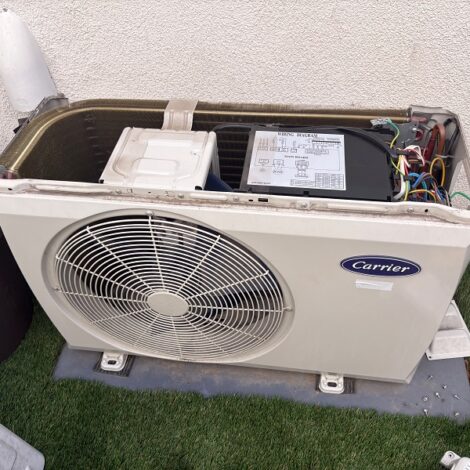
Some cooling problems can be handled by an HVAC technician. Smoke, fire, visible sparking, a carbon monoxide alarm or a suspected gas leak require a different response.
Urgent service is appropriate when the system may be unsafe to operate, indoor temperatures are rising quickly or a condensate leak may damage ceilings, walls or flooring.
A standard repair appointment is usually appropriate when the system still operates and there is no immediate electrical, water or heat-related safety concern.
One symptom can have several possible causes. Electrical testing, airflow checks and equipment readings are used to identify the fault before a repair is recommended.
The indoor blower may run even when the outdoor unit does not start. Possible causes include a thermostat or control problem, failed capacitor, damaged contactor, condenser fan failure, frozen indoor coil or compressor fault.
A breaker that trips repeatedly can point to damaged wiring, a short circuit, a failing motor, an electrical component fault or excessive current during compressor startup. Repeatedly resetting the breaker can create additional risk.
Ice can form when airflow across the indoor coil is too low or when the refrigeration circuit is not operating correctly. Diagnosis may include the filter, blower, return airflow, coil condition and refrigerant measurements.
Water may come from a clogged condensate line, damaged drain pan, drainage problem or a frozen coil that is thawing. An overflow safety switch can also shut cooling down when condensate rises too high.
Short cycling can be caused by thermostat problems, restricted airflow, a condensate safety switch, frozen-coil conditions, electrical controls or equipment sizing. The cause should be confirmed rather than assumed from the cycling pattern alone.
A sudden harsh noise can come from a blower wheel, fan blade, motor bearing, loose component, contactor or compressor. Shut the system off if the noise is severe or appears together with an electrical odor.
Confirm that the thermostat is set to Cool and that the set temperature is below the current room temperature. Check whether the thermostat screen is blank and whether the air filter is heavily restricted.
Look for an error code, visible water, ice or unusual noise without removing access panels. If the AC has no power, check the breaker once. If it trips again, leave the system off.
Do not open electrical panels, bypass a condensate float switch, add refrigerant, touch damaged wiring or force a frozen system to operate.
Explain when the problem started and whether the indoor blower and outdoor unit are running. Mention any breaker trip, blank thermostat, error code, water, ice, odor or abnormal noise.
Include your city and the equipment location, such as an attic, garage, closet or side yard. A clear photo of the thermostat, equipment data plate or visible problem can help identify what may be needed for the visit.
A water leak, a blank thermostat, a frozen coil and an outdoor unit that will not start require different diagnostic steps. Testing follows the symptom instead of assuming which component failed.
The technician identifies whether the immediate problem involves electrical power, thermostat controls, airflow, drainage, cooling output or mechanical noise.
Depending on the symptom, testing can include the thermostat signal, low-voltage circuit, fuse, transformer, safety switches, wiring, contactor and startup components.
The air filter, blower, indoor coil, drain pan, condensate line and overflow protection are inspected when airflow, ice or water is involved.
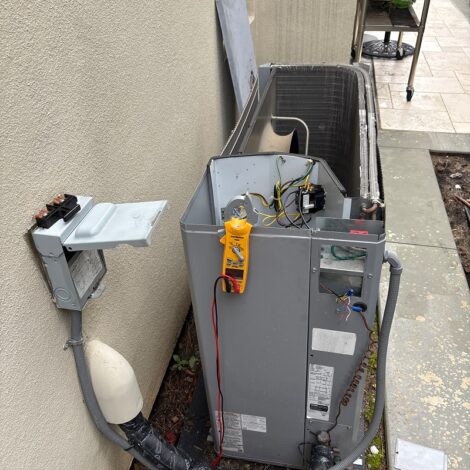
The condenser fan, electrical components, wiring, coil and compressor operation are tested when the outdoor equipment can be accessed safely.
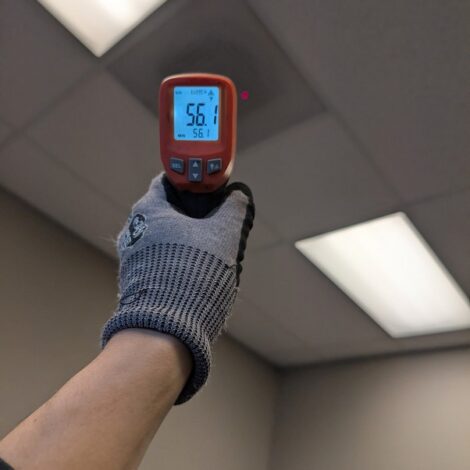
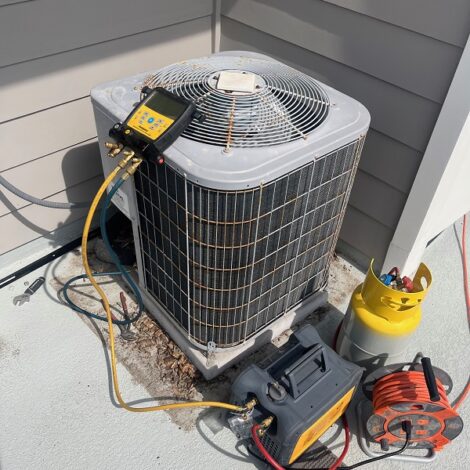
Temperature, airflow, voltage, current and refrigerant pressure and temperature readings are taken when required to confirm the diagnosis.
The technician explains the confirmed fault, whether the equipment can be operated safely and what repair is recommended.
The diagnosis should identify the cause of the failure, the proposed repair and any condition that could affect future reliability. Parts should not be replaced simply to see whether the problem goes away.
A few common components and measurements are useful to understand when a technician explains the test results.
An electrical component used by many AC motors and compressors during startup and operation. A failed capacitor can prevent the condenser fan or compressor from starting.
An electrically controlled switch that supplies power to components in the outdoor unit. Damaged contacts can cause failed startup, intermittent operation or buzzing.
A condensate safety device that can shut cooling down when water rises too high. On some systems, the safety switch is wired into the low-voltage control circuit and can also result in a blank thermostat display.
A measurement of resistance to airflow in the HVAC system. Excessive static pressure can be associated with a restricted filter, blocked return, duct restriction or other airflow problem.
Equipment location, duct condition and room exposure affect how quickly indoor temperatures rise and how much damage a condensate leak can cause.
Water from an attic-mounted air handler can reach insulation, drywall and ceilings before the leak is noticed. High attic temperatures can also increase the effect of duct leakage or weak airflow.
Garage installations can have long condensate drain routes or limited service access. Stored belongings around the equipment may also make inspection more difficult.
Upper floors and west-facing rooms can become uncomfortable quickly after cooling stops. Loss of AC deserves faster attention when young children, older adults, pets or people vulnerable to heat are in the home.
Long cooling cycles can expose weakened electrical components, restricted airflow, dirty coils, marginal motors and condensate problems that were less obvious during milder weather.
Repair is generally the first option when testing identifies an isolated failure and the rest of the system remains in reasonable operating condition.
Replacement deserves a closer comparison when a major component has failed, breakdowns are becoming frequent or the system already has significant comfort or reliability problems.
MaksBuilder is based in Foothill Ranch and serves Lake Forest and nearby South Orange County communities. Same-day availability depends on technician scheduling, travel distance, equipment access and the parts required for the repair.
Before approving HVAC work, enter license number 1095368 in the California Contractors State License Board lookup. The official record provides the current license status, classifications and other public information maintained by CSLB.
Check the current record and confirm that the license includes the classification appropriate for the HVAC work being proposed.
Residential AC diagnosis can include temperature measurements, electrical testing and inspection of indoor and outdoor equipment.
These pages provide additional information when the problem is not urgent or when diagnosis points to maintenance, installation or replacement.
Complete cooling loss during hot weather, a repeated breaker trip, an electrical odor, visible ice, leaking water, severe equipment noise or repeated shutdowns should be addressed promptly.
Emergency requests are accepted 24 hours a day Monday through Friday. Weekend hours are Sat–Sun: 8:00 AM - 6:00 PM. Arrival time and same-day completion depend on technician availability, location, equipment access and required parts.
Leave the home and call 911 from a safe location when there is smoke, fire, visible sparking or a carbon monoxide alarm. For a suspected natural gas leak, leave the area and call SoCalGas at 1-800-427-2200 from outside.
You can check the breaker once if the AC has no power. If it trips again or trips immediately, leave the system off and arrange service.
No. Turn cooling off and arrange an inspection. Ice can be associated with restricted airflow, blower problems, indoor coil conditions or a refrigeration-system fault.
Some repairs can be completed during the initial visit once the fault is confirmed. A special-order component, difficult equipment access or a major equipment fault may require a follow-up appointment.
“Super helpful, honest and did an amazing job fixing my AC. Thank you so much!”
“Prompt response and prompt appointment. Process of communication was easy and clear.”
Call MaksBuilder when your cooling system stops working, repeatedly trips a breaker, freezes, leaks water or develops a sudden electrical or mechanical problem. Include your city, the equipment location and a short description of what happened.